
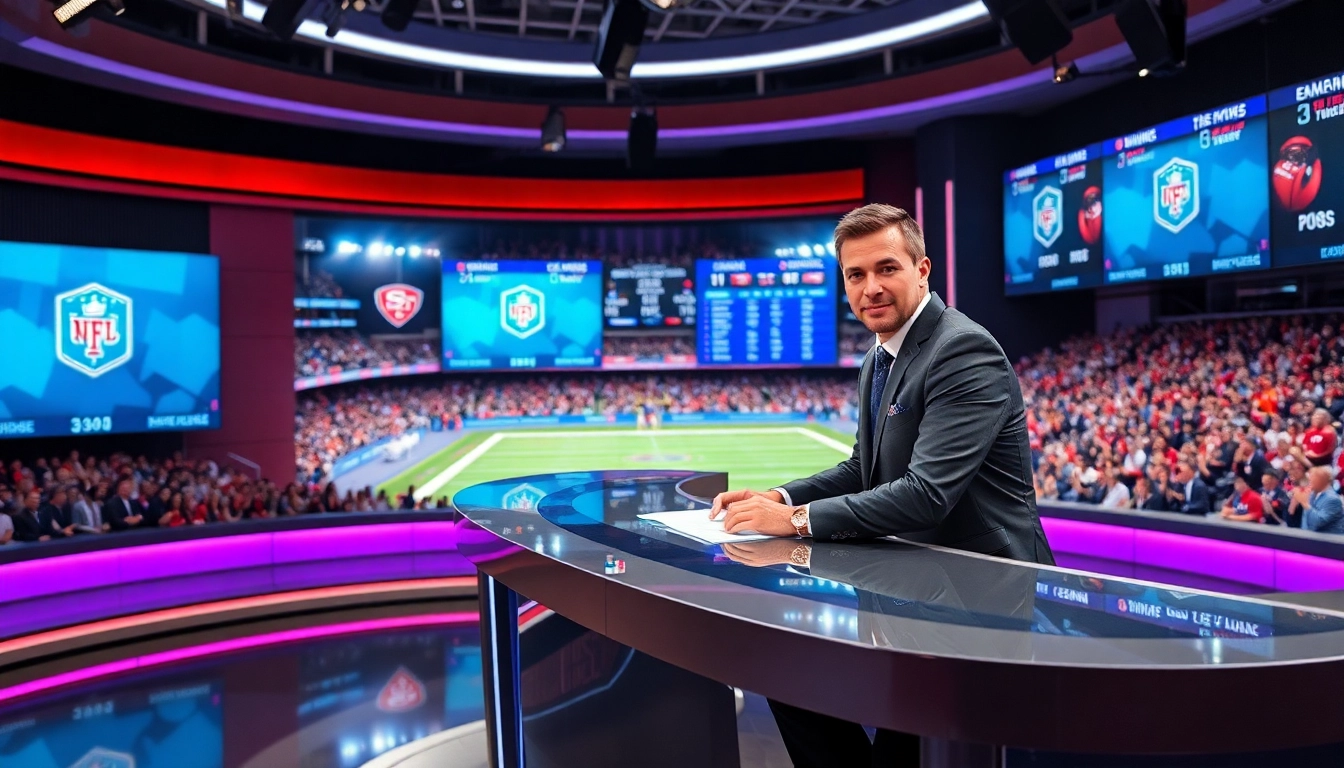
Understanding Sports Broadcasting: An Overview
In today's fast-paced digital landscape, Sports Broadcasting has evolved beyond traditional television formats to embrace a dynamic, multi-platform approach. This comprehensive segment of media entertainment is not only about relaying game scores or highlights but also encompasses storytelling, audience interaction, and in-depth analysis. From the roaring crowds in stadiums to streaming services accessing millions around the globe, sports broadcasting provides an essential connection between fans and their favorite teams.
What is Sports Broadcasting?
Sports broadcasting refers to the live coverage and recording of sporting events, encompassing a variety of formats such as television, radio, and online platforms. It involves the transmission of sports-related content, including play-by-play commentary, analysis, and interviews, allowing fans to engage with their favorite sports in real-time. This form of media covers everything from local high school games to international competitions, making sports accessible to a broader audience.
History and Evolution of Sports Broadcasting
The origins of sports broadcasting can be traced back to the early 20th century with the advent of radio. The first live sports broadcast occurred in 1921, featuring a boxing match in New York. The growth of television in the 1950s revolutionized the industry, enabling fans to witness events from the comfort of their homes. The arrival of cable and satellite TV in the 1980s further expanded access to a wider range of sports content. In recent years, the rise of the internet and smartphones has ushered in online streaming, social media interactions, and personalized content, shaping a new era of sports broadcasting.
Types of Sports Broadcasting Platforms
Today, sports broadcasting encompasses several platforms, including:
- Television: Traditional broadcast and cable channels that provide live coverage of events.
- Radio: Audio broadcasting for fans on the go, often featuring expert analysis and play-by-play commentary.
- Online Streaming: Services that allow viewers to watch live events on laptops or mobile devices.
- Social Media: Platforms like Facebook, Twitter, and Instagram that provide updates, highlights, and fan interactions.
- Podcasts: Audio formats discussing sports events, providing commentary, and exploring behind-the-scenes stories.
Key Components of Effective Sports Broadcasting
Essential Equipment and Technology
Success in sports broadcasting relies heavily on advanced technology and equipment. Essential tools include:
- Cameras: High-definition cameras are crucial for capturing clear, dynamic footage. Multiple camera angles enhance viewer engagement.
- Microphones: Wireless lapel mics and shotgun microphones aid in capturing crisp audio from commentators and players.
- Switchers: Video switchers allow producers to transition between multiple camera feeds seamlessly, enriching the viewing experience.
- Streaming Software: Software solutions are increasingly used to integrate graphics, live stats, and other real-time data into broadcasts.
Roles and Responsibilities in Sports Broadcasting
A successful sports broadcast requires a coordinated effort among various professionals, including:
- Commentators: These individuals provide insight, play-by-play commentary, and keep the audience engaged during broadcasts.
- Producers: They oversee the entire production process, ensuring that everything from graphics to live feeds runs smoothly.
- Cameramen: Skilled in capturing the most compelling angles, they are crucial for conveying the excitement of the events.
- Editors: Editors compile highlights and packages for replay, ensuring a polished presentation post-event.
Content Creation and Strategy
Creating compelling content requires strategic planning. Key aspects include:
- Storytelling: Broadcasters must weave narratives that resonate with audiences, embracing the emotional highs and lows of sports.
- Research: Comprehensive statistics and background information provide insights that engage viewers further.
- Audience Targeting: Tailoring content to specific demographics helps increase viewer loyalty and engagement.
Engaging Your Audience in Sports Broadcasting
Understanding Viewer Preferences
Understanding the audience is paramount for effective engagement. Viewer preferences can vary widely based on factors such as age, location, and the type of sport. For instance, younger audiences may prefer interactive content on social media platforms, while older viewer demographics may appreciate traditional broadcasts. Surveys and analytics help broadcasters identify trends and make informed decisions about content delivery.
Strategies for Audience Engagement
Effective audience engagement strategies encompass:
- Live Polls: Engaging audiences during broadcasts through live polls or Q&A sessions enhances interaction.
- Fan Features: Highlighting fan stories or featuring audience reactions can create a sense of community.
- Exclusive Content: Offering behind-the-scenes footage or exclusive interviews can draw in dedicated fans.
Utilizing Social Media for Broader Reach
Social media platforms serve as powerful tools for sports broadcasters, allowing them to reach audiences beyond traditional platforms. Leveraging platforms like Twitter for live updates and Instagram for visual highlights can maximize engagement. Additionally, utilizing fan-generated content can further enrich narratives and foster a sense of ownership and involvement among the audience.
Challenges in Sports Broadcasting
Common Obstacles in Live Broadcasts
While live broadcasts can be thrilling, they also present several challenges, such as:
- Technical Difficulties: Equipment failures or network issues can lead to disruptions during live events.
- Weather Conditions: Unpredictable weather can impact outdoor broadcasts, necessitating contingency plans.
- Time Constraints: The fast-paced nature of sports can complicate timing for commentary and programming.
Navigating Rights and Regulations
Navigating the complex landscape of broadcasting rights is critical for sports networks and teams. This involves negotiating contracts with leagues, ensuring compliance with copyright laws, and managing licensing agreements. Failure to adhere to these regulations can lead to legal complications and financial consequences.
Adapting to Changing Technologies
The rapidly evolving technology landscape poses both opportunities and challenges. Broadcasters must stay updated with emerging tools, such as VR and augmented reality, which present new ways to engage audiences. Continuous training and adaptation are essential for personnel to remain competitive and relevant in an industry driven by technological innovation.
The Future of Sports Broadcasting
Emerging Trends and Innovations
The future of sports broadcasting looks promising, characterized by several key trends and innovations. These include:
- Augmented Reality (AR): AR technology can enhance viewer experience by overlaying digital information during live broadcasts.
- Personalized Viewing Experiences: Using AI to create tailored content for individual viewers based on their preferences.
- Esports Broadcasting: The rise of esports has created new broadcasting opportunities, expanding the definition of traditional sports.
Impact of Streaming Services
Streaming services have dramatically transformed how sports content is consumed. With platforms offering live features and on-demand content, viewers can watch events at their convenience. This shift has compelled traditional broadcasters to innovate and adapt their offerings to retain their audience, often leading to partnerships with streaming services or the creation of proprietary platforms.
Future Career Opportunities in Sports Broadcasting
As the industry evolves, so do the career opportunities within sports broadcasting. Emerging roles include data analysts specializing in sports metrics, content strategists who develop strategies for audience engagement, and social media managers tasked with enhancing brands' online presence. Continuous learning and skill development will be vital for success in this competitive field.
Frequently Asked Questions
What are the main platforms for sports broadcasting?
The primary platforms for sports broadcasting include television, radio, online streaming services, social media, and podcasts.
What technology is essential for sports broadcasting?
Essential technology includes high-definition cameras, microphones, video switchers, and streaming software to enhance the viewing experience.
How can broadcasters engage their audience effectively?
Effective engagement strategies include live polls, exclusive content, and incorporating fan stories to foster community interaction.
What are common challenges in live sports broadcasting?
Common challenges include technical difficulties, weather issues, and the fast-paced nature of sporting events impacting commentary timing.
What trends are shaping the future of sports broadcasting?
Emerging trends include personalized viewing experiences, augmented reality integration, and the growth of esports broadcasting.