The Rise of Wellness Trends in 2026
As we move into 2026, the wellness landscape is undergoing significant transformations driven by evolving societal norms, technological advancements, and a renewed focus on holistic health. The meteoric rise of wellness culture reflects a collective desire for improved quality of life, both mentally and physically. The integration of wellness into everyday routines is not just a trend but a necessity for many, spurred by the recent global challenges that have shifted our perspectives on health. In this exploration, we will delve into the nuances of this movement, examining how technology, community engagement, and sustainable practices are shaping a new era of wellness. For insights on creating the ideal environment for your journey, platforms like rokok88 can offer invaluable resources and ideas.
Understanding the Wellness Movement
The wellness movement is more than just a series of trends; it represents a fundamental shift in how individuals perceive health. Initially centered around physical fitness and nutrition, the movement has evolved to encompass mental health, emotional well-being, and social connections. In 2026, wellness is defined as a multi-dimensional concept integrating various aspects of life, including work-life balance, mental resilience, and emotional intelligence.
Furthermore, research indicates that individuals are increasingly prioritizing wellness over traditional success metrics. According to a 2025 study by Global Wellness Institute, 82% of respondents stated that they consider personal well-being as their top priority. This shift is encouraging businesses to adapt their offerings to meet the demand for comprehensive wellness solutions.
Impact of Digital Technology on Wellness
Digital technology has profoundly influenced wellness practices, facilitating personalized health interventions and creating communities around shared wellness goals. From apps that track physical activity and nutrition to virtual platforms for meditation and mental health support, technology is making wellness accessible to a broader audience. In 2026, innovations such as AI-driven health analytics and telehealth services are becoming standard tools for individuals on their wellness journeys.
Wearable technology is another significant player in this arena, providing real-time feedback on health metrics and encouraging users to stay accountable. Studies show that individuals using these technologies are more likely to maintain healthier lifestyles, as they receive immediate insights and suggestions tailored to their habits.
Trends Shaping the 2026 Wellness Landscape
- Holistic Health Integration: The future of wellness sees a blend of physical, mental, and spiritual health practices. Individuals are seeking practices that align with their personal values and beliefs, leading to a rise in holistic therapies.
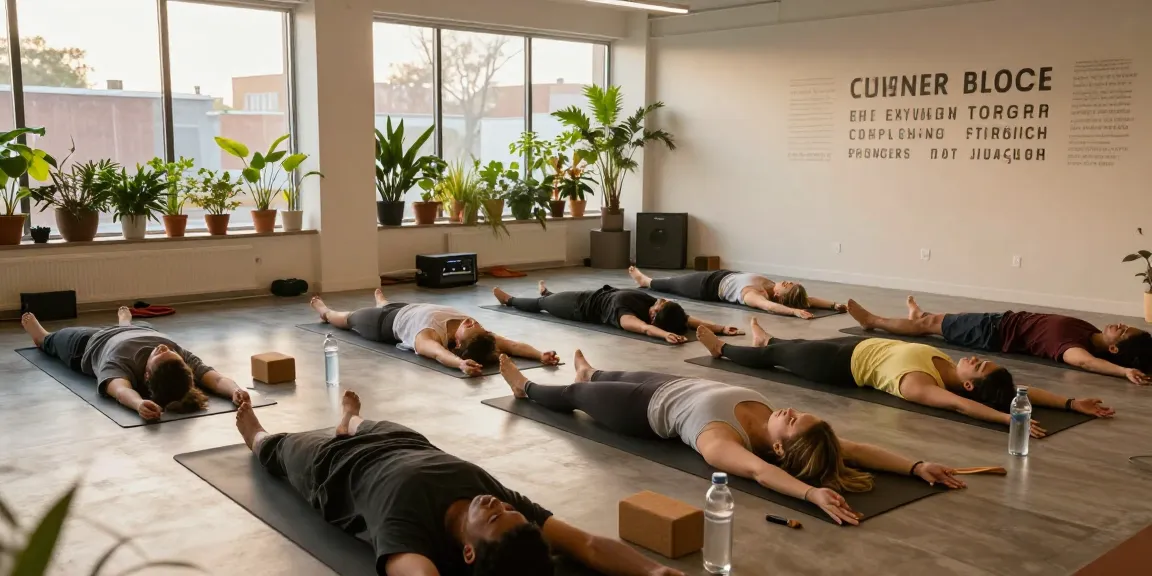
- Community-Based Wellness: There is a growing emphasis on the power of community in achieving wellness goals. Group classes, communal activities, and wellness retreats are being embraced as vital elements of personal health.
- Sustainability: Environmental consciousness is shaping wellness choices, with consumers preferring eco-friendly products and practices that support both their health and the planet.
- Digital Detoxification: As much as technology aids wellness, there’s a counter-trend focused on disconnecting from screens and fostering real-life connections, which is essential for mental health.
Key Elements of Effective Wellness Practices
Incorporating Mindfulness into Daily Routines
Mindfulness has emerged as a cornerstone of effective wellness practices. In 2026, its application ranges from workplace settings to personal life, helping individuals cultivate a present-focused mindset. Techniques such as meditation, deep-breathing exercises, and mindful eating are being recognized for their significant impact on reducing stress and enhancing overall well-being.
Studies have shown that regular mindfulness practice can lead to improvements in emotional regulation and cognitive function, making it a vital aspect of a comprehensive wellness strategy.
Nutrition Essentials for Optimal Health
In 2026, nutrition science continues to evolve, emphasizing the importance of personalized dietary approaches. The understanding that no single diet fits all is gaining traction, and wellness enthusiasts are encouraged to seek nutrition plans that align with their unique body types and lifestyle demands.
Moreover, the prevalence of plant-based diets, intuitive eating practices, and nutritional supplements are at the forefront of discussions surrounding optimal health. Incorporating whole foods, seasonal produce, and organic options is recommended for those looking to enhance their dietary habits.
Physical Activity: Finding What Works for You
Dynamic approaches to physical activity are transforming how individuals engage with fitness. Traditional gym memberships are being supplemented with diverse options including outdoor activities, functional training, and virtual classes. The key in 2026 is discovering what works best for one's personal interests and physical capabilities, promoting consistency and joy in movement.
Furthermore, research suggests that integrating physical activity into everyday tasks (like walking meetings or taking the stairs) can provide considerable health benefits without the need for extensive workout regimens.
Creating a Personal Wellness Space
Designing Your Ideal Home Sanctuary
Your home environment plays a crucial role in your overall wellness journey. As we look to 2026, creating a dedicated wellness space within your home can significantly enhance your ability to engage in self-care activities. This space should reflect your personal preferences and can include elements like calming colors, soft lighting, and natural materials that promote tranquility.
Incorporating sensory elements, such as soothing sounds and pleasant scents, can also enhance the atmosphere, making your wellness activities more enjoyable and effective.
Essential Tools and Props for Wellness
Equipping your wellness space with the right tools can amplify your self-care routines. Essential props like yoga mats, aromatherapy diffusers, and meditation cushions can help create a conducive environment for mindfulness and physical activity. In 2026, individuals are encouraged to invest in quality tools that resonate with their personal wellness practices, enhancing their overall experience.
Utilizing Nature for Enhanced Wellbeing
Nature has always been a source of solace and rejuvenation, and in 2026, incorporating natural elements into wellness practices is more important than ever. Whether it’s indoor plants that purify air, outdoor spaces for exercise, or simply soaking in the sunshine, the connection to nature is being leveraged for improved mental health and stress reduction.
Research indicates that time spent in green spaces can significantly lower levels of cortisol, the stress hormone, while promoting feelings of happiness and relaxation.
Challenges and Misconceptions in Wellness
Common Pitfalls to Avoid
As wellness becomes mainstream, it is essential to recognize the potential pitfalls individuals may encounter. One common challenge is the pressure to adopt trends without fully understanding their benefits or suitability. This can lead to frustration and burnout, undermining one's wellness journey.
Additionally, misinformation surrounding wellness practices can deter individuals from engaging in effective routines. It’s crucial to base decisions on credible research and personal insights rather than social media trends.
Debunking Myths Around Diet and Exercise
The diet and fitness industry is rife with misconceptions that can hinder progress. For example, the belief that all carbs are bad or that you must work out intensely to achieve results are prevalent myths. In 2026, it's vital to encourage an informed approach to health, focusing on balanced diets and varied exercise regimens tailored to individual needs.
Educating oneself on nutrition and physical activity will undoubtedly enhance the effectiveness of any wellness plan.
How to Stay Motivated on Your Wellness Journey
Staying motivated in a wellness journey requires a combination of goal-setting, accountability, and celebrating small successes. Setting realistic and achievable goals can help maintain momentum. Engaging with a community, whether through fitness classes or online groups, fosters accountability and inspiration to continue progressing toward individual goals.
Moreover, celebrating milestones, no matter how small, reinforces positive behavior and encourages further commitment to wellness practices.
Looking Ahead: Future of Wellness Beyond 2026
Emerging Technologies in the Wellness Sector
The intersection of technology and wellness is set to create exciting opportunities in the coming years. Innovations such as virtual reality for stress management, AI-based health assessments, and personalized nutrition apps are becoming integral components of the wellness ecosystem. These technologies promise to make wellness more accessible and tailored to individual needs.
Furthermore, as technology evolves, so will the methods for delivering wellness content, with interactive platforms enhancing the learning experience.
Global Influences on Local Wellness Trends
In an increasingly interconnected world, global influences significantly shape local wellness trends. Practices from different cultures, such as yoga, meditation, and Ayurveda, are gaining recognition and are being adapted to fit local contexts. Understanding these diverse influences can empower individuals to adopt a more comprehensive approach to wellness.
Expert Predictions for the Next Decade
Experts predict that the wellness movement will continue to evolve, driven by both consumer demand and scientific advancements. The focus will likely expand to include mental health as a mainstream priority, with increased integration of mental wellness practices into everyday life and corporate environments. Additionally, sustainability will play a crucial role in shaping wellness products and services, ensuring that individuals can pursue health while minimizing their environmental impact.
What is the best way to start a wellness journey?
Starting a wellness journey requires introspection and a willingness to embrace change. The best approach is to evaluate personal health goals and gradually introduce wellness practices that align with your lifestyle. It's essential to start small, whether by incorporating mindful moments into your day or slowly adjusting your diet for better nutrition. Seeking guidance from wellness professionals can also provide you with tailored strategies to kickstart your journey effectively.
How can I create a wellness routine that sticks?
To establish a lasting wellness routine, consistency is key. Begin by setting specific and attainable goals, such as dedicating time each day to mindfulness or regular physical activity. Tracking progress can help maintain motivation, and integrating activities you enjoy will make the routine feel less like a chore. Over time, as these practices become habits, they will seamlessly fit into your lifestyle, solidifying your commitment to wellness.
What are the benefits of group wellness activities?
Group wellness activities offer numerous benefits, including social support, accountability, and increased enjoyment. Engaging with others creates a sense of community that can enhance motivation and make it easier to stick to wellness goals. Additionally, group activities often provide a diverse range of perspectives and experiences, enriching the overall wellness journey.
How does nutrition impact mental health?
Nutrition plays a critical role in mental health, with research indicating that a balanced diet can significantly influence mood and cognitive function. Consuming nutrient-dense foods such as fruits, vegetables, whole grains, and healthy fats can support brain health and reduce symptoms of anxiety and depression. In 2026, the connection between diet and mental well-being is increasingly recognized, emphasizing the importance of holistic health practices.
What role does technology play in personal wellness?
Technology serves as a powerful ally in personal wellness. Through apps, online courses, and virtual communities, individuals can access valuable information, resources, and support networks. Moreover, wearable devices track health metrics, helping users stay informed about their progress. As we move forward, the role of technology in wellness is expected to expand, offering innovative solutions to enhance well-being.