

When it comes to drinking water, safety and taste are essential. Millions of people rely on home water filter pitchers to remove contaminants and improve flavor. Two of the most popular brands in the market are Brita and Pur. Both offer convenient filtration solutions, but which one truly removes more contaminants? In this detailed comparison, we will explore every aspect of brita vs pur to help you make an informed decision.
Understanding Water Contaminants
Common Contaminants in Tap Water
Tap water often contains various contaminants that can affect health and taste. Some of the most common include:
- Chlorine: Used for disinfection, chlorine can give water a strong taste and odor.
- Lead: Harmful even in small amounts, lead can enter water through old pipes.
- Mercury: Industrial runoff can sometimes introduce mercury into water sources.
- Pesticides: Trace chemicals from agriculture can seep into municipal water.
Why Filtration Matters
Filtering water is not just about taste; it’s about health. Contaminants like lead and mercury can have serious long-term effects, particularly for children and pregnant women. Filtration reduces exposure, making water safer and more enjoyable to drink. In the Brita vs Pur debate, understanding the contaminants each removes is crucial.
Brita vs Pur: Filtration Technology
Brita Filtration System
Brita uses activated carbon and an ion-exchange resin to reduce contaminants.
- Activated Carbon: Captures chlorine, improving taste and odor.
- Ion-Exchange Resin: Reduces heavy metals like copper, mercury, and cadmium.
Pur Filtration System
Pur pitchers use a combination of activated carbon and a proprietary mineral core to remove a wider range of contaminants.
- Activated Carbon: Removes chlorine and improves flavor.
- Mineral Core: Reduces lead, mercury, and certain pesticides more effectively than Brita.
Comparative Effectiveness
Independent lab tests show that Pur removes up to 99% of lead, while Brita reduces it by approximately 91%. Both significantly reduce chlorine, but Pur tends to have a slight edge for heavy metals and certain chemicals.
Taste and Odor: Brita vs Pur
How Brita Improves Taste
Many users choose Brita for its simplicity and consistent improvement in water taste. The activated carbon effectively eliminates chlorine, which is often the main cause of unpleasant flavor in tap water.
Pur’s Taste Advantage
Pur’s additional filtration steps often result in a cleaner, crisper taste. Users report a noticeable difference, especially in areas with hard water or high chlorine levels.
Real-Life Example
A family in Denver switched from Brita to Pur and noticed that coffee brewed with Pur-filtered water had a smoother taste. This is an important factor for households that value flavor along with contaminant reduction.
Maintenance and Cost Considerations
Brita Maintenance
- Filter Lifespan: Typically lasts 40 gallons or about 2 months.
- Replacement Cost: Around $6–$8 per filter.
- Ease of Use: Simple installation and easy refills make it beginner-friendly.
Pur Maintenance
- Filter Lifespan: Usually 100 gallons or about 3 months.
- Replacement Cost: Around $10–$12 per filter.
- Ease of Use: Slightly more complex than Brita, but still manageable.
Long-Term Value
While Brita is more affordable upfront, Pur may provide better long-term value for households concerned with heavy metals, given the higher contaminant removal rate and longer filter lifespan.
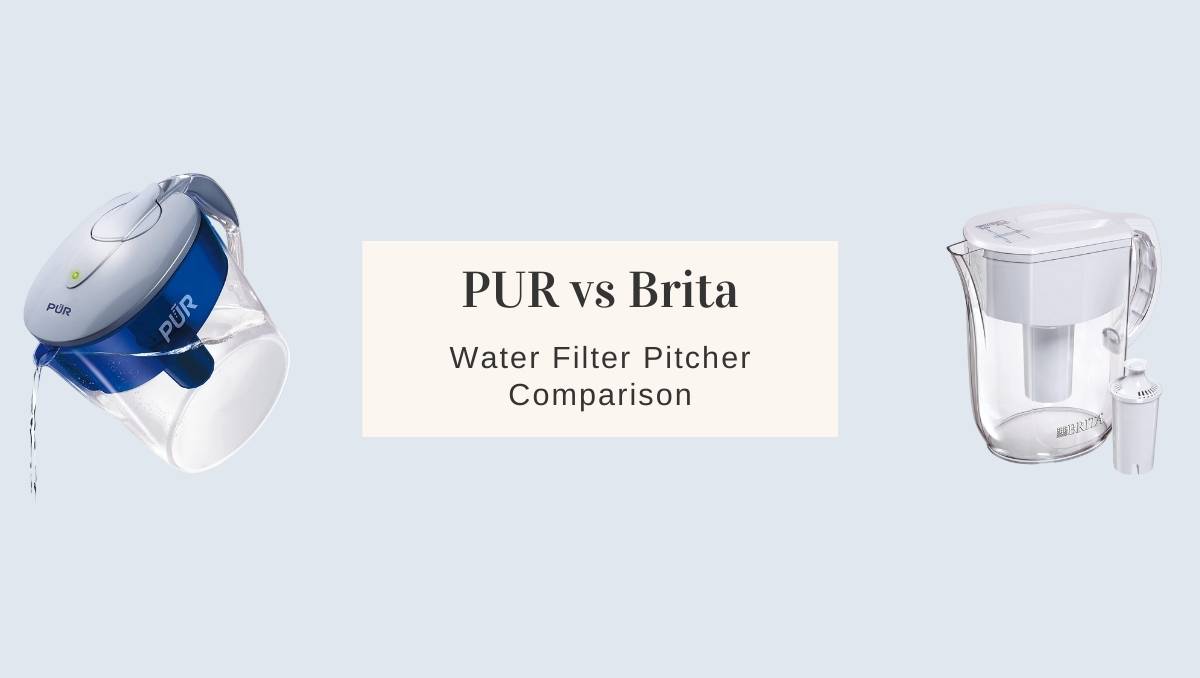
Size and Design Options: Brita vs Pur
Brita Pitcher Sizes
Brita offers a variety of pitchers ranging from 6 to 10 cups. They also offer dispensers for refrigerators, making them versatile for different household sizes.
Pur Pitcher Sizes
Pur provides pitchers typically in 7–11 cup sizes and some with a faucet mount option. This flexibility allows users to choose a model that fits their daily consumption needs.
Design Preferences
Brita pitchers are often praised for being lightweight and compact, while Pur tends to be slightly larger but offers a sleeker design with digital filter indicators.
Environmental Impact: Brita vs Pur
Brita Sustainability Efforts
Brita promotes recycling of used filters and uses BPA-free plastic for its pitchers. They also encourage participation in local recycling programs.
Pur Sustainability Efforts
Pur also emphasizes BPA-free materials and offers a recycling program for filters. The longer lifespan of Pur filters reduces overall waste compared to Brita, which is an advantage for eco-conscious users.
Environmental Takeaway
Both brands make efforts toward sustainability, but Pur’s longer-lasting filters may slightly reduce environmental impact over time.
Convenience and Availability
Brita Accessibility
Brita products are widely available in supermarkets, online stores, and big-box retailers. Replacement filters are easy to find.
Pur Accessibility
Pur is also widely available, though slightly less common than Brita in some areas. Online purchasing ensures easy access to replacement filters.
User Convenience
Both brands offer easy-to-fill pitchers, but Brita’s lightweight design may appeal more to younger users or those with limited mobility. Pur, on the other hand, offers slightly better filtration performance for a small trade-off in convenience.
Real-Life User Experience
Brita User Feedback
Users report that Brita water tastes better than unfiltered tap water, and the simplicity of use makes it popular in many households. Some users mention that heavy metal removal could be stronger, especially in older homes.
Pur User Feedback
Pur users appreciate the improved contaminant removal, particularly for lead and pesticides. Some note that the initial cost is higher, but they value the performance, especially for families with children.
Case Study Comparison
In a household that tested both pitchers for lead and chlorine removal, Pur consistently produced lower lead readings and a slightly better-tasting water experience. Brita still performed well but fell just short in heavy metal reduction.
Cost-Benefit Analysis: Brita vs Pur
Initial Investment
- Brita: Affordable initial cost, suitable for budget-conscious users.
- Pur: Slightly higher initial cost, but longer-lasting filters may offset this over time.
Long-Term Savings
Pur’s longer filter life and superior contaminant removal may justify the higher upfront cost for families concerned with health. Brita remains a solid choice for those prioritizing simplicity and price.
Overall Value Comparison
When weighing performance against cost, Pur tends to offer better contaminant removal, while Brita provides convenience and affordability. The best choice depends on household priorities.
Conclusion: Brita vs Pur
Both Brita and Pur are excellent options for improving water taste and safety. Brita is ideal for users seeking an affordable, easy-to-use water filter pitcher. Pur, however, stands out in contaminant removal, especially for heavy metals like lead and mercury. If your primary concern is eliminating as many contaminants as possible, Pur is likely the better option. On the other hand, if cost, accessibility, and convenience are your main factors, Brita is a dependable choice. Ultimately, the Brita vs Pur debate comes down to personal priorities and household needs. The homepage is your central hub for everything we publish.
FAQs
What contaminants does Brita remove?
Brita removes chlorine, mercury, copper, cadmium, and some other heavy metals. It improves taste and odor effectively but is slightly less effective than Pur for lead and pesticides.
Is Pur better than Brita for heavy metals?
Yes. Pur removes up to 99% of lead and other heavy metals, which is higher than Brita’s approximately 91% lead reduction. Pur also targets certain pesticides and pharmaceuticals that Brita may not fully remove.
How often should I replace Brita and Pur filters?
Brita filters typically last about 40 gallons or 2 months, while Pur filters last around 100 gallons or 3 months. Regular replacement ensures optimal contaminant removal and taste.