
Farmer’s Dog Pricing Explained: Costs by Breed, Size, and Activity Level
Fresh dog food has become very popular, and Farmer’s Dog is one of the biggest names in this space. Many dog owners want healthy, human-grade meals for their pets, but they also have one important question: How much does it cost? In this guide, we take a close look at Farmer’s dog pricing, including how costs change based on breed, weight, age, and activity level. This article is written in simple Grade 9 language and gives you clear information so you can make a smart choice.
Fresh food can improve digestion, energy, coat health, and appetite. But it matters to know how much you will pay each week or month. Prices for Farmer’s Dog are not the same for every dog, so reading this article will help you understand what to expect before signing up.
- What Is Farmer’s Dog?
- Why Does Farmer’s Dog Pricing Change?
- Small Dogs (Under 20 Pounds)
- Medium Dogs (20–50 Pounds)
- Large Dogs (50–90 Pounds)
- Low-Activity Dogs
- Moderate-Activity Dogs
- High-Activity Dogs
- How much does Farmer’s Dog cost for a small dog?
- Is Farmer’s Dog cheaper than regular dog food?
- Does activity level change Farmer’s Dog pricing?
What Is Farmer’s Dog?
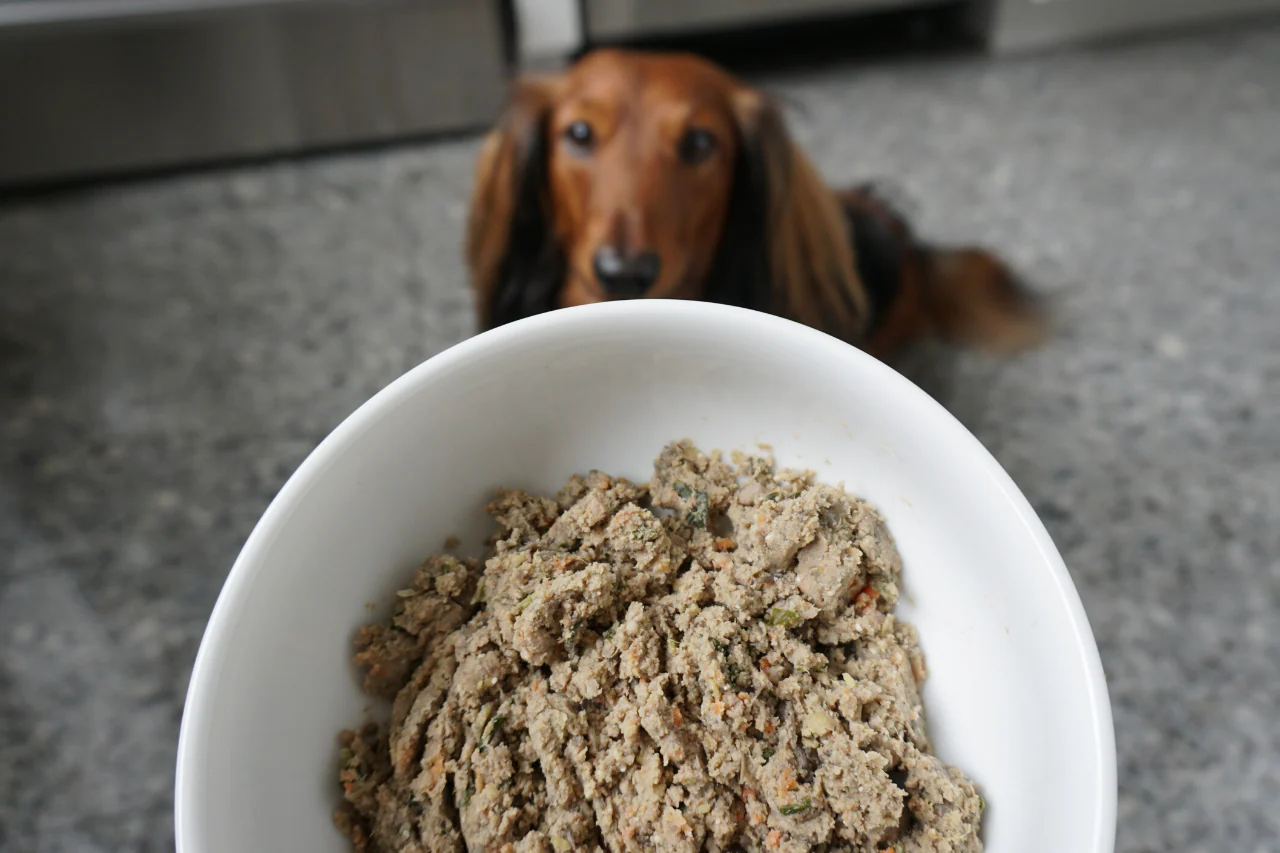
Farmer’s Dog is a subscription dog food company that delivers fresh, cooked meals right to your home. The food is made from real meats, vegetables, and nutrients, without artificial preservatives. Meals are kept cold and usually arrive frozen or refrigerated.
The company also personalizes feeding plans. Instead of buying one bag of dry kibble for every dog, you get a special plan based on your dog’s:
- Age
- Weight
- Breed
- Activity level
- Body type
- Food preferences
Because each plan is different, Farmer’s dog pricing also changes from dog to dog.
Understanding Farmer’s Dog Pricing
Why Does Farmer’s Dog Pricing Change?
There is no single price for the whole company. Some people pay $2 per day, while others pay $10 or even more per day. The cost depends on several factors:
- Size of your dog
- Breed
- How active your dog is
- Any special dietary needs
- Number of meals
- Ingredient choices
The best way to think about Farmer’s Dog pricing is to imagine filling a bucket. The bigger the dog and the more energy it burns, the more food it needs. More food means a higher price.
Example Comparison
- A 10-pound Shih Tzu with low activity may cost around $2–$4 per day.
- A 70-pound Labrador with high activity may cost $8–$12 per day.
Both dogs get fresh food, but one needs a lot more of it.
Farmer’s Dog Pricing By Dog Size
Small Dogs (Under 20 Pounds)
Small dogs eat much less food, so Farmer’s dog pricing is usually lower.
Average Pricing
- Daily cost: $2 to $5
- Weekly cost: $14 to $35
- Monthly cost: $60 to $140
Common Small Breeds
- Yorkie
- Pug
- Dachshund
- Chihuahua
- Maltese
Small dogs are easier on the budget because even fresh food goes a long way.
Medium Dogs (20–50 Pounds)
Medium-sized dogs usually fall in the middle pricing range.
Average Pricing
- Daily cost: $4 to $7
- Weekly cost: $28 to $49
- Monthly cost: $120 to $210
Common Medium Breeds
- Beagle
- Border Collie
- Cocker Spaniel
- Australian Shepherd
Medium dogs often need two or three meals per day, depending on their activity level.
Large Dogs (50–90 Pounds)
Large breeds can be more expensive with Farmer’s Dog because they need more food.
Average Pricing
- Daily cost: $7 to $12
- Weekly cost: $49 to $84
- Monthly cost: $210 to $360+
Common Large Breeds
- German Shepherd
- Rottweiler
- Golden Retriever
- Labrador Retriever
Large dogs are often very active, which increases meal size and cost.
Farmer’s Dog Pricing by Breed
Some breeds require special nutrition because of common health issues. This may affect Farmer’s dog pricing.
High-Cost Breeds (More Food Needed)
- Great Dane
- Husky
- Pit Bull
- Newfoundland
These dogs burn energy and need larger amounts of meat and calories.
Moderate-Cost Breeds
- Boxer
- Bulldog
- Basset Hound
- Setter
They have average activity levels and medium food needs.
Lower-Cost Breeds
- Toy Poodle
- Bichon Frise
- Shiba Inu
- Cavalier King Charles Spaniel
These dogs often eat less and may have slow metabolisms.
Farmer’s Dog Pricing by Activity Level
Activity level plays a big role in cost because active dogs need more calories.
Low-Activity Dogs
These dogs may spend most of their day relaxing.
- Small seniors
- Indoor dogs
- Calm breeds like Basset Hounds
Pricing benefit: Lower feeding amounts mean lower daily cost.
Moderate-Activity Dogs
These dogs have normal daily exercise.
- One walk per day
- Playtime inside the home
Pricing: Most dogs fall in this average range.
High-Activity Dogs
These dogs often run, train, or work.
- Huskies
- Australian Shepherds
- Working dogs (police, farm, or sport dogs)
Pricing: Highest cost because they need high-calorie meals.
Real-Life Case Studies
Case Study 1: Small Low-Energy Dog
- Dog: 8-pound Pomeranian
- Activity: Low
- Cost: About $2.50/day or $75/month
Case Study 2: Medium Family Dog
- Dog: 35-pound Cocker Spaniel
- Activity: Normal
- Cost: About $5/day or $150/month
Case Study 3: Large Working Dog
- Dog: 80-pound German Shepherd
- Activity: High
- Cost: About $10/day or $300/month
This shows how Farmer’s dog pricing can change even when all dogs eat fresh meals.
What’s Included in Farmer’s Dog Pricing?
When you pay for Farmer’s Dog, you are paying for more than just food.
You Get:
- Personalized meal plan
- Pre-measured packages
- Vet-developed recipes
- Delivery to your door
- Real human-grade ingredients
Meal Ingredients Usually Include:
- Beef, turkey, or chicken
- Sweet potato
- Spinach
- Lentils
- Carrots
- Vitamins and minerals
These ingredients are similar to foods humans eat, not processed pellets.
How to Save Money on Farmer’s Dog Pricing
Many owners love the quality but worry about the cost. Here are smart ways to make it cheaper:
1. Partial Feeding
Feed half Farmer’s Dog and half regular kibble.
This cuts the price almost in half.
2. Buy Larger Plans
Some users save by purchasing multiple meals at once.
3. Coupon Codes
Farmer’s Dog often offers:
- First box discounts
- 20%–60% off starter packs
4. Choose Lower-Calorie Recipes
Some ingredients cost more than others. Chicken is often cheaper than beef.
5. Adjust Activity Level
If your dog is not highly active, do not choose a high-calorie plan.
Farmer’s Dog Pricing vs. Traditional Kibble
| Feature | Farmer’s Dog | Dry Kibble |
|---|---|---|
| Ingredients | Real meats & vegetables | Processed grains & fillers |
| Smell & Flavor | Fresh | Dry |
| Cost | Higher | Lower |
| Digestibility | High | Medium |
| Personalization | High | Low |
If your budget is tight, kibble is cheaper. But Farmer’s Dog offers healthier nutrition, which many believe is worth the cost.
Farmer’s Dog Pricing vs. Other Fresh Food Brands
Farmer’s Dog is not the only brand. Others include:
- Ollie
- Nom Nom
- Spot & Tango
Key Differences
- Farmer’s Dog often has better delivery packaging
- Prices vary but are almost always in the same range
- Some brands offer more recipe choices
Overall, Farmer’s Dog pricing is competitive with other fresh food services.
Conclusion
Farmer’s dog pricing changes based on breed, size, and activity level. Small dogs often cost less than large dogs, and low-energy pets cost less than working breeds. While prices can seem high, you are paying for real ingredients, personalized nutrition, and convenient delivery.
If you want healthier meals for your dog, fewer stomach problems, and better overall wellness, Farmer’s Dog can be worth the investment. The key is to understand your dog’s needs and choose a plan that fits your budget.
Switching to fresh food is a big decision, but knowing the real costs helps you plan smartly. As long as you check your dog’s size, activity, and calorie needs, you can predict Farmer’s dog pricing before you buy. Whether you’re a beginner or an expert, start from our homepage for best results.
FAQs
How much does Farmer’s Dog cost for a small dog?
Most small dogs cost between $2 and $5 per day, depending on weight and activity level. Smaller breeds eat less food, which keeps Farmer’s dog pricing lower.
Is Farmer’s Dog cheaper than regular dog food?
No, Farmer’s Dog is usually more expensive than dry kibble. However, many owners believe the fresh ingredients and personalized plans make the extra cost worthwhile.
Does activity level change Farmer’s Dog pricing?
Yes. Dogs that exercise more need more calories. This increases the amount of food in each delivery, which raises the total price.